Zaloguj sięZarejestruj się
  • Pierwotny
  • Wtórny
  • Cryptolending
  • Token
  • Moje inwestycje
  • Więcej
    Ligi
    Transakcje
    Program poleceń
    Pomoc i opinie
    Twitter
    Telegram
    LinkedIn
  • Pierwotny
  • Wtórny
  • Cryptolending
  • Token
  • Moje inwestycje
  • Więcej
Zaloguj sięZarejestruj się
PierwotnyWtórnyCryptolendingInwestycje
PierwotnyWtórnyCryptolendingTokenMoje inwestycje
LigiTransakcjeProgram poleceńPomoc i opinie
TwitterTelegramLinkedIn
Trustpilot
  • Regulamin
  • Polityka Prywatności
  • Pomoc i opinie
  • Platforma WEB2
💵 FinTechID: 770

Inicjator pożyczki (Copy)

100USDC
0.14% z 70,000 USDC
Ocena ryzykaA
Oprocentowanie roczne22.90 %
Okres7 miesiące
Wygasa
Zarejestruj się, aby inwestować
Przegląd
Ocena ryzyka
Finanse
Zabezpieczenie
Pożyczkobiorca
Lending capacity across four product lines

The €9M facility is drawn at €800k a month and funds new loans across consumer, business, factoring and the secured asset-finance line, and refinances the first facility’s August–October 2026 maturities.

100USDC
0.14% z 70,000 USDC
Ocena ryzyka: A7 miesiące22.90 %
Inicjator pożyczki (Copy)

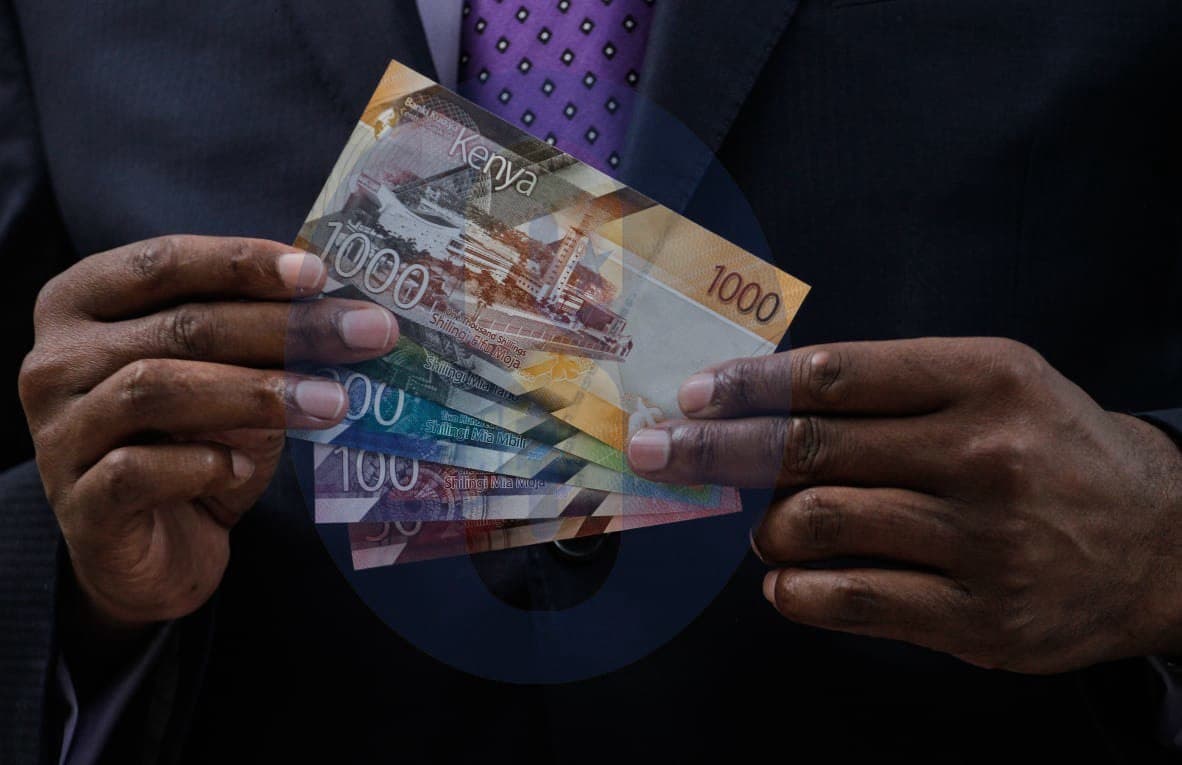
Spółka Tanir Credit & Accounting Services Limited (zwana dalej Tanir) została założona w 2018 roku i przechodzi na w pełni cyfrowy model działalności. Firma obecnie działa w modelu hybrydowym i przenosi wnioski kredytowe do Internetu za pośrednictwem swojej strony internetowej, a w ciągu 2–3 lat planuje uruchomienie natywnej aplikacji mobilnej. Tanir kompleksowo obsługuje rynek krajowy Kenii, przy czym najwięcej pożyczkobiorców koncentruje się w Nairobi i Mombasie, a do wypłaty i spłaty pożyczek wykorzystuje system M-Pesa. Firma zapewnia kredyty krótkoterminowe w ramach dwóch linii: mikropożyczki B2C dla osób fizycznych oraz pożyczki B2B dla mikro i małych przedsiębiorstw, w tym dedykowany produkt faktoringowy.

Pochodzenie i ewolucja

Tanir rozpoczął działalność od pożyczek związanych z pojazdami (finansowanie auto dla operatorów transportowych). Następnie rozszerzył ofertę o ogólne pożyczki krótkoterminowe dla osób fizycznych i firm, budując procesy oceny ryzyka i windykacji w oparciu o przepływy pieniężne. Wraz z dojrzewaniem kanałów cyfrowych firma testowała wnioski online za pośrednictwem chatbotów i zautomatyzowanych narzędzi, zachowując ograniczone wsparcie offline dla wyjątkowych przypadków. Obecnie Tanir konsoliduje proces pozyskiwania klientów na swojej stronie internetowej – z planowaną natywną aplikacją mobilną – aby w ciągu najbliższych 2–3 lat stać się firmą w pełni internetową. Równolegle firma rozszerzyła działalność o kredyty dla MŚP, oferując standardowe pożyczki na kapitał obrotowy (≈30–180 dni) oraz faktoring (≈104 dni), oba produkty objęte wzmocnionym badaniem due diligence (weryfikacja umów, faktur i kontrahentów). Ta cyfrowa zmiana umożliwia lepszą skalowalność, lepszy wgląd w ryzyko i bardziej wydajną ekonomikę jednostkową.

Faktoring to krótkoterminowe finansowanie pod zweryfikowane faktury lub kontrakty… spłata następuje zazwyczaj od dłużnika po uregulowaniu faktury. Niweluje on lukę w przepływach pieniężnych dostawcy, zanim kupujący zapłaci; spłata pochodzi zazwyczaj z rozliczenia faktury/kontraktu przez dłużnika. Taka struktura pomaga ograniczyć ryzyko kredytowe w porównaniu z niezabezpieczonymi pożyczkami na kapitał obrotowy i wspiera wyższe kwoty finansowania dla wiarygodnych MŚP.

Produkty i ceny

Tanir udziela obecnie ponad 85 000 pożyczek rocznie, obsługując klientów B2C i B2B głównie kanałami cyfrowymi (obecnie strona internetowa; wkrótce aplikacja mobilna). W linii konsumenckiej krótkoterminowe mikropożyczki na okres 7–30 dni są oprocentowane średnio na poziomie 0,76% dziennie (≈277% w skali roku, odsetki proste). Typowe kwoty pożyczek wahają się od 3 000 do 60 000 KSh (średnio 160 €), przy średnim terminie ≈20 dni i wskaźniku powracalności ≈21% (uważanym za wysoki w przypadku mikropożyczek konsumenckich), co jest napędzane przez progresywne limity kredytowe.

W linii biznesowej (niebędącej faktoringiem) pożyczki na kapitał obrotowy mają terminy zapadalności ≈30–180 dni przy oprocentowaniu ≈41% w skali roku, z typowymi kwotami od 300 000 do 2 000 000 KSh (średnio 8 667 €) przy ręcznej ocenie ryzyka. Produkt faktoringowy dla MŚP finansuje zweryfikowane faktury lub kontrakty w ramach wzmocnionej procedury due diligence (kontrole kontraktów/faktur/kontrahentów), z typowym terminem zapadalności ≈104 dni przy oprocentowaniu ≈31% w skali roku i kwotami od 300 000 do 6 000 000 KSh (średnio 30 406 €).

W ciągu ostatnich trzech kwartałów ważona portfelem stopa niewypłacalności wynosi ≈9,3% (osoby fizyczne 13%, firmy 2%, factoring 1%), co jest zgodne z obecną strukturą portfela (odpowiednio 67,39% / 21,59% / 11,02%). Wypłaty i spłaty realizowane są za pośrednictwem M‑Pesa (z obsługą przelewów bankowych), a proces oceny ryzyka (underwriting) wykorzystuje scoring zintegrowany z CRB oraz analizę behawioralną.

Licencja i zgodność

Tanir posiada licencję dostawcy kredytów cyfrowych (DCP) wydaną przez Bank Centralny Kenii (CBK) — CBK/DCP/2024/82 z dnia 7 października 2024 r. Licencja jest ważna; firma terminowo opłaca wszystkie obowiązujące opłaty licencyjne i nadzorcze.

Historycznie rzecz biorąc, udzielanie pożyczek cyfrowych w Kenii odbywało się przez dłuższy czas przy ograniczonej bezpośredniej regulacji. Po wprowadzeniu przez CBK systemu licencjonowania DCP, wszyscy dostawcy zostali zobowiązani do ubiegania się o zezwolenie. W okresie przejściowym i podczas rozpatrywania wniosków przez CBK — proces ten w przypadku niektórych firm mógł trwać do około 2,5 roku — wnioskodawcy przestrzegający przepisów mogli kontynuować działalność w Kenii do czasu podjęcia ostatecznej decyzji. Tanir złożył wniosek w odpowiednim czasie i kontynuował obsługę rynku krajowego do momentu formalnego wydania licencji.

Przywództwo i organizacja

Firma Tanir jest w całości własnością jej założycielki i dyrektor generalnej, Leah Muthoni Nganga. Takie połączenie własności i kierownictwa sprzyja długoterminowym decyzjom strategicznym i dyscyplinie kapitałowej, w tym konserwatywnej polityce dywidend i premii skoncentrowanej na reinwestycjach. Jako dyrektor generalna Leah określa strategię, nadzoruje politykę kredytową firmy i kluczowe partnerstwa oraz prowadzi dialog z inwestorami i Bankiem Centralnym Kenii.

W skład zespołu wykonawczego wchodzi również dyrektor finansowy odpowiedzialny za planowanie finansowe, skarbowość, podatki, audyty, zarządzanie finansowaniem i ekonomikę jednostkową, oraz dyrektor operacyjny, który koordynuje codzienne operacje w zakresie ryzyka, scoringu, windykacji i obsługi klienta, jednocześnie projektując i egzekwując procesy oraz umowy SLA. Kluczowe funkcje — ryzyko, scoring i dział prawny, windykacja, obsługa klienta, IT i rozwój oraz marketing i wzrost — są zarządzane przez dedykowanych menedżerów. Taka struktura zmniejsza zależność od kluczowych osób, wzmacnia ład korporacyjny i umożliwia skalowalne działania.

Zabezpieczenie kredytu

Ogólny przegląd zabezpieczeń

Ten €3,500,000 Pożyczka zostanie zabezpieczona przede wszystkim aktywami obrotowymi spółki, uzupełnionymi o aktywa trwałe i gwarancje osobiste. Struktura zabezpieczenia łączy aktywny portfel pożyczkowy, rezerwy gotówkowe, wyposażenie biurowe oraz zastawiony pojazd, zapewniając zdywersyfikowaną bazę aktywów zarówno dynamicznych, jak i materialnych. Ponadto mechanizmy kontroli przepływów pieniężnych zapewnią przejrzyste monitorowanie wypłat i spłat pożyczki.

Zasoby dynamiczne

  • Portfel kredytowy: 1 550 000 € – reprezentuje aktywny portfel kredytów wypłaconych klientom, pomniejszony o oczekiwane straty kredytowe. Portfel kredytowy ma charakter odnawialny i zapewnia ciągłe wpływy gotówkowe poprzez zaplanowane spłaty.

  • Rezerwy gotówkowe: 304 000 € – dostępna płynność na rachunkach spółki, zastawiona jako część pakietu zabezpieczeń.

Łącznie te aktywa obrotowe wynoszą 1 854 000 € i stanowią podstawową bazę operacyjną firmy. Są one monitorowane co miesiąc w celu zapewnienia jakości portfela i adekwatności zabezpieczeń.

Środki trwałe

  • Wyposażenie biura: 67 482 € – w tym biurka, krzesła, komputery, monitory i wyposażenie kuchni.

  • Toyota Land Cruiser 300 3.5 AT (2023): 78 360 € – pojazd zastawiony jako zabezpieczenie; dyrektor udziela odrębnej gwarancji osobistej.

Mechanizmy przepływów pieniężnych i rezerw

Wszystkie wypłaty pożyczek i spłaty pożyczkobiorców są przetwarzane za pośrednictwem dedykowanych kont bankowych i kont płatności mobilnych. Zapewnia to przejrzyste śledzenie codziennych wpływów i zapewnia pożyczkodawcy wyraźny wgląd w generowanie gotówki. Oczekuje się, że portfel pożyczkowy będzie wielokrotnie obracany w okresie obowiązywania kredytu, generując wystarczającą płynność na obsługę odsetek i kapitału. Dodatkowo spółka będzie gromadzić rezerwy na spłatę przed terminami zapadalności transz, tworząc dodatkowy bufor płynnościowy dla spłat jednorazowych.

Podsumowanie zabezpieczeń

Komponent

Wartość (€)

Portfel kredytowy

1,550,000

Rezerwy gotówkowe

304,000

Wyposażenie biurowe

67,482

Pojazd (Land Cruiser)

78,360

Suma

1,999,842


Tanir Usługi Kredytowe i Księgowe Spółka z ograniczoną odpowiedzialnością została założona11 kwi 2018
Rozpoczęcie aktywnej działalności/produkcji11 kwi 2018
Revenue in 2023€2,029,834
Revenue in 2024€2,449,452
Minimalny cel35,000 USDC
Inwestorzy1
Wypłaty odsetekmiesięczna
Spłaty kapitałujednorazowa
Całkowite płatności7 miesiące

Szczegóły

Plan wzrostu

Między 2021 i 2024, Tanir wykazał konsekwentną ekspansję pod względem skali i rentowności. Całkowite przychody wzrosły z €1,381,277 w 2021 r. do €2,449,452 w 2024 r., podczas gdy zysk netto wzrósł ze 109 216 EUR do 602 925 EUR w tym samym okresie. W okresie Q1–Q3 2025 spółka zadeklarowała 2 195 131 EUR przychodów i 593 233 EUR zysku netto. Ta tendencja wzrostowa odzwierciedla dyscyplinę w kontroli kosztów, stabilną ekonomikę jednostkową oraz model oparty na ponownym udzielaniu pożyczek. Jednak wzrost był wyraźnie ograniczony przez płynność, a nie przez popyt. „Przychody” to przychody z odsetek i opłat faktycznie zapłaconych przez pożyczkobiorców (w tym opłaty za zwłokę, manipulacyjne, faktoringowe). Nie obejmują one kapitału pożyczki.

Dynamika przychodów, zysków i marż

Metryka

2021

2022

2023

2024

2025 (I–III kw.)

Przychód (łącznie €)

1,381,277

1,580,601

2,029,834

2,449,452

2,195,131

– Pożyczki indywidualne

1,178,076

1,345,713

1,735,399

2,008,974

1,764,309

– Pożyczki biznesowe

176,714

197,259

235,233

295,814

269,884

– Biznes (faktoring)

26,487

37,629

59,202

144,664

160,938

Zysk brutto (łącznie €)

557,056

770,767

1,151,304

1,452,507

1,369,273

– Pożyczki indywidualne

419,937

600,163

943,192

1,141,871

1,057,659

– Pożyczki biznesowe

117,919

142,847

159,273

207,548

195,065

– Biznes (faktoring)

19,200

27,757

48,839

103,088

116,549

Zysk operacyjny (€)

288,473

461,933

770,977

1,031,322

986,363

Zysk netto (€)

109,216

222,063

429,819

602,925

593,233

Marża brutto (%)

40.33

48.76

56.72

59.30

62.38

Marża operacyjna (%)

20.88

29.23

37.98

42.10

44.93

Marża netto (%)

7.91

14.05

21.18

24.61

27.02

Uwaga: rok 2025 obejmuje tylko kwartały Q1–Q3 i nie jest bezpośrednio porównywalny z danymi za pełny rok.

Szczegółowa ekonomia jednostkowa (Q1–Q3 2025)

Metryka

Pożyczki indywidualne

Pożyczki biznesowe

– Biznes (faktoring)

Średnia kwota pożyczki

23 750 Ksh (~158 €)

1 300 000 Ksh (~8 667 €)

4 561 000 Ksh (~30 406 €)

Średni przychód z odsetek na pożyczkę

3 670 Ksh (~24 €)

96 570 Ksh (~638 €)

403 560 Ksh (~2 690 €)

Średnia stawka

0,76% dziennie (~277% w skali roku)

41% w skali roku

31% w skali roku

Średni termin

20 dni

66 dni

104 dni

Wskaźnik ponownych pożyczek

21%

34%

22%

Stawka domyślna

13%

2%

1%

Udział w portfelu

67.39%

21.59%

11.02%

Zestawienie to potwierdza, że indywidualni pożyczkobiorcy pozostają głównym czynnikiem napędzającym rentowność, wspieranym przez skalę, wycenę opartą na ryzyku oraz dynamikę ponownego pożyczania, co zapewnia przewidywalną ekonomikę jednostkową. Choć segment faktoringu ma mniejszy udział w portfelu, oferuje on większe kwoty pożyczek i niższe wskaźniki niewypłacalności, co wskazuje na silny potencjał wzrostu w przypadku zniesienia ograniczeń płynnościowych.

Opis pożyczki

Tanir szuka €3,500,000 odnawialna linia kredytowa mająca na celu zwiększenie zdolności kredytowej w Kenii. Wypłata będzie następować zgodnie z miesięcznym harmonogramem obejmującym 8 transz miesięcznie przy €50,000 każdy (ok. 400 000 € miesięcznie) począwszy od IV kwartału 2025 r. i kontynuując do 3,5 mln euro Cel został w pełni osiągnięty (≈9 miesięcy w tym tempie). Każda mikrotransza ma 5-miesięczny termin zapadalności z oprocentowaniem 22,9% w skali roku, z miesięcznymi odsetkami i jednorazową spłatą kapitału w terminie zapadalności, co tworzy drabinowy profil zapadalności.

Liczba transz i ich kwoty

Miesiąc

Liczba transz

Wartość każdej transzy (€)

Kwota całkowita (€)

Synchronizacja

Dojrzałość

1

8

50,000

400,000

IV kwartał 2025

IV kwartał 2026

2

8

50,000

400,000

IV kwartał 2025

IV kwartał 2026

3

8

50,000

400,000

IV kwartał 2025

IV kwartał 2026

4

8

50,000

400,000

I kwartał 2026

I kwartał 2027

5

8

50,000

400,000

I kwartał 2026

I kwartał 2027

6

8

50,000

400,000

I kwartał 2026

I kwartał 2027

7

8

50,000

400,000

II kwartał 2026

II kwartał 2027

8

8

50,000

400,000

II kwartał 2026

II kwartał 2027

9

6

50,000

300,000

II kwartał 2026

II kwartał 2027

Przeznaczenie wpływów

Przychody są przeznaczone na płynność emisji pożyczek, co umożliwia szybsze udzielanie finansowania i wyższą rotację portfela. Fundusze wspierają również marketing i pozyskiwanie klientów w celu rozszerzenia bazy pożyczkobiorców przy zachowaniu konkurencyjnego CAC. Oczekuje się, że każda transza zostanie obrócona wielokrotnie w ciągu swojego 12-miesięcznego cyklu, ponieważ spłaty pożyczkobiorców są reinwestowane w nowe pożyczki. Program zakłada udzielenie łącznie ponad 250 000 pożyczek w tym okresie. Tanir będzie budować rezerwy płynności przed każdym terminem zapadalności, aby zapewnić terminowe spłaty balonowe.

Mechanizmy spłaty i kowenanty

Odsetki są wypłacane co miesiąc; kapitał jest spłacany w całości w terminie zapadalności transzy. Aby ograniczyć ryzyko kredytowe i operacyjne, instrument ten obejmuje wyraźne zabezpieczenia:

  • wyodrębnione konta płatnicze i bankowe dla wypłat i wpłat;

  • minimalna rezerwa gotówkowa równa trzymiesięcznym odsetkom od zadłużenia pozostającego do spłaty;

  • brak dywidend/premii w okresie obowiązywania umowy bez zgody pożyczkodawcy;

  • prawa monitorujące pożyczkodawcy, w tym codzienny wgląd w windykację oraz cesja wierzytelności w przypadku niewypłacalności.


Ocena ryzyka

Całkowity wynik ryzykaA
Dług do kapitału własnego1.04
LTV54%
Historia kredytowa8 / 10
Rodzaj zabezpieczeniaAktywa firmy

Rating A (the third tier) rests on a CBK licence in good standing, profits in every year since 2021 with net margin widening from 7.9% to 30.7% in 2025, and a first debt round of €5,126,275 whose matured tranches were repaid on schedule.

  • D/E (Debt-to-equity) of 1.04 is moderate for a lender, where leverage is the operating model;
  • LTV of 54% is measured against the facility’s ≈€4.8M peak outstanding, not the €9M commitment;
  • Credit history score of 8/10.

Keep in mind:

  • the track record under external debt is short — a single facility drawn from late 2025;
  • the collateral relies mostly on the revolving loan book rather than fixed assets;
  • the asset-finance line is young and contested by larger incumbents (Watu, Mogo, M-KOPA);
  • ≈€3.55M of the first facility matures in August–October 2026, partly refinanced by this one;
  • funding is in hard currency against shilling revenue.

Key risks and mitigations

  • Funding cost. The ≈20.7% per annum blended cost is material; it is addressed through KPI-gated drawdown, the debt-service reserve and retention of earnings.
  • Credit-loss volatility. Managed through scorecard adjustments, early-warning triggers and intensified collections; the rising share of secured asset finance structurally lowers blended losses.
  • Acquisition-cost inflation. Countered by leaning into referrals and owned channels, strict ROI gating on campaigns and continuous funnel optimisation.
  • Competition in asset finance. Watu, Mogo and M-KOPA are large, well-capitalised incumbents; Tanir’s differentiation rests on its CBK licence, M-Pesa rails, existing borrower base for cross-sell, proprietary scoring and selective dealer partnerships.
  • Funding profile. The facility’s seven-month tenor is shorter than the 12–24 month amortisation of asset-finance receivables, so the asset-backed book is funded on a rolling basis; this is managed through laddered maturities, reserve build-up and the partially self-amortising nature of asset-finance instalments, with longer-tenor funding to be pursued as the asset book matures.
  • Currency. Hard-currency funding against shilling-denominated revenue is monitored, with pricing discipline and reserve buffers, and hedging considered as the book scales.

The track record under external debt is short, covering a single facility drawn from late 2025; the asset-finance line is at an early stage and its unit economics are consolidated within the individual-loan line; the segment is contested by larger, better-capitalised incumbents; and the first facility’s principal repayments are concentrated in the August–October 2026 window, part of which the new facility is intended to refinance. On balance, execution to date and the calibration of the request are consistent with the plan, provided unit economics and collections performance hold as the portfolio scales and the near-term maturities are managed.

Finanse

Revenue 2025€3.06M
Net profit 2025€939k
Net margin 202530.7%
Loans 2025≈88,100
€ mln
€1.58 mln1.58
+28%€2.03 mln2.03
+21%€2.45 mln2.45
+25%€3.06 mln3.06
+214%€9.61 mln*9.61*
+42%€13.61 mln*13.61*
20222023202420252026F2027F

* 2026–2027 are the management base case with this facility drawn as planned; 2026 includes January–May actuals

Inicjator pożyczki (Copy)

Tanir’s growth has been limited by liquidity rather than demand: as capital from the first facility arrived, monthly deployment rose from roughly €0.25M to €1.34M in May 2026.

Growing revenue

  • Revenue rose every year, from €1,381,277 in 2021 to €3,061,377 in 2025.
  • January–May 2026 alone brought €2,899,025.
  • The base case forecasts €9,613,122 in 2026 and €13,614,848 in 2027.

Widening margins

  • Net profit grew from €109,216 in 2021 to €939,106 in 2025, and €1,060,039 in January–May 2026.
  • Net margin widened from 7.9% (2021) to 30.7% (2025).

Loan volumes and quality

  • ≈88,100 loans in FY2025; run-rate origination of ≈112,000 a year in 2026.
  • Blended default rate of ≈3.7% over January–May 2026, down from ≈4.0% in FY2025.

Market

Kenya is East Africa’s most advanced digital lending market: ~€10.0 billion lent across ~270 million digital loans in 2019–2023, with approximately 153 licensed providers. Its digital and alternative lending market is projected to grow from ~€246 million in 2023 to ~€670 million by 2028. Boda-boda asset finance is among the fastest-growing segments, with over two million licensed riders.

Financial performance

Between 2021 and 2024 total revenue rose from €1,381,277 to €2,449,452 and net profit from €109,216 to €602,925, as net margin widened from 7.9% to 24.6%. In 2025 the company generated €3,061,377 in revenue and €939,106 in net profit, lifting net margin to 30.7%; over January–May 2026 it generated a further €2,899,025 in revenue and €1,060,039 in net profit. The trajectory reflects disciplined cost control, stable unit economics and a re-lending-driven model, with growth constrained by liquidity rather than demand. Throughout, revenue denotes interest and fee income actually paid by borrowers (including late, processing and factoring fees) and excludes loan principal.

Income statement, EUR (2021–2026 YTD)

Metric202120222023202420252026 YTD
Revenue1,381,2771,580,6012,029,8342,449,4523,061,3772,899,025
— individual loans1,178,0761,345,7131,735,3992,008,9742,387,9352,209,763
— business loans176,714197,259235,233295,814418,845464,480
— business (factoring)26,48737,62959,202144,664254,597224,782
Gross profit557,056770,7671,151,3041,452,5071,680,0001,903,727
— individual loans419,937600,163943,1921,141,8711,128,0601,339,946
— business loans117,919142,847159,273207,548303,598344,971
— business (factoring)19,20027,75748,839103,088248,343218,810
Operating profit288,473461,933770,9771,031,3221,369,1671,746,542
Net profit109,216222,063429,819602,925939,1061,060,039
Gross margin40.33%48.76%56.72%59.30%54.88%65.67%
Operating margin20.88%29.23%37.98%42.10%44.72%60.25%
Net margin7.91%14.05%21.18%24.61%30.68%36.57%

2026 YTD denotes January–May 2026. Gross profit is stated after direct costs and provisions for expected defaults; operating profit is gross profit less operating expenses; net profit is stated after funding costs and corporate income tax. The asset-finance line launched in late 2025 and is reported within the individual-loan line.

Unit economics

Metric (Jan–May 2026)Individual loansBusiness loansBusiness (factoring)
Average loan amountKSh 37,900 (~€252)KSh 1,300,000 (~€8,667)KSh 4,609,000 (~€30,667)
Average interest revenue per loanKSh 7,200 (~€48)KSh 103,400 (~€688)KSh 407,000 (~€2,708)
Average rate≈0.65% per day (~240% p.a.)≈40% p.a.≈29% p.a.
Average term≈29 days≈72 days≈111 days
Repeat-borrowing rate≈73%≈37%≈28%
Default rate≈5.4%≈1.9%≈0–1%
Portfolio share (end-May 2026)35.0%38.4%26.6%

Individual borrowers remain the core profitability driver, supported by scale, risk-based pricing and re-lending dynamics. Factoring, though smaller in loan count, offers larger loan sizes and the lowest default rates, indicating strong growth potential as liquidity constraints are lifted. Asset finance combines a materially higher average ticket with a secured risk profile; its volumes are consolidated within the individual-loan line.

Performance since the initial facility

Tanir completed its first external debt round between October 2025 and May 2026. The facility was drawn in monthly tranches totalling €5,126,275, at a blended rate of approximately 21.6% per annum (individual tranches priced at 22.9% and 16.9%), with monthly interest and bullet principal at maturity. €852,269 of principal has matured and been repaid on schedule (as of end-May 2026), with €4,274,006 outstanding — its peak, reached when the facility was fully drawn.

Facility status (end-May 2026)Value
Round periodOctober 2025 – May 2026
Amount drawn€5,126,275
Pricing / tenor≈21.6% p.a. blended (22.9% / 16.9%); 6-month tranches; monthly interest + bullet
Repaid on schedule (to date)€852,269
Outstanding€4,274,006
Near-term maturities (Aug–Oct 2026)≈€3.55m (≈83% of outstanding)

Deployment accelerated through the round: monthly drawdown rose from roughly €0.25 million in the early months to above €1.0 million by spring 2026 (€1.34 million in May 2026). Over October 2025 – May 2026 the company originated ≈67,100 loans for a total of ≈€27.5 million disbursed, with a value-weighted default rate of ≈3.8% of disbursements.

Growth plan

Strategy and scope. Over the financing horizon the plan is Kenya-only and execution-focused: deepen penetration in the B2C consumer book, selectively grow B2B and factoring, and scale the secured asset-finance line without compromising portfolio quality or unit economics. No regional expansion is contemplated; capital and management attention stay on models already operating.

Demand and deployment capacity. Operational capacity and qualified demand are not the binding constraint; liquidity is. Online cohorts show lower acquisition cost and stronger repayment behaviour than legacy offline channels, and retention tools that gradually raise credit limits lift customer lifetime value. The company issued approximately 85,000 loans in 2024 and around 68,000 in the first three quarters of 2025; following the first facility, run-rate origination has risen to approximately 112,000 loans annualised (January–May 2026). The requested €800,000 monthly pace sits below the absorption capacity already proven under the first facility rather than assuming an untested step-change.

Production targets and portfolio quality. Given sufficient liquidity, the company targets approximately 193,000 loans (≈€91 million disbursed) over the twelve-month drawdown period (June 2026 – May 2027). The mix remains B2C-led, with the consumer share of disbursements rising from ≈58% toward ≈63% in 2027, while business lending and factoring grow in absolute terms (≈€25.5 million and ≈€10.9 million disbursed over the period). Management aims to raise the consumer repeat-borrowing rate to approximately 80% on average in 2027 (≈82% by December 2027) from ≈73%, and to reduce the consumer default rate toward approximately 4.9% (from ≈5.4%), while business and factoring defaults remain at approximately 1.7–1.9% and 0–1%. Issuance is scaled in step with realised unit economics and collections performance rather than to a fixed schedule.

Operating model for scale. Re-lending to on-time cohorts; collections across DPD 1–30, 31–90 and beyond 90 days, with external agencies as needed; daily PAR 30/60/90 and vintage monitoring; antifraud controls covering multi-account behaviour, SIM-swap and identity theft; daily M-Pesa and bank reconciliations; and reserve build-up ahead of tranche maturities. Asset finance adds dealer relationships, pre-disbursement asset inspection, logbook administration, GPS telematics, comprehensive insurance and a repossession and remarketing capability. Hiring in collections, customer support, fraud and asset operations scales with active-borrower and active-asset growth.

Financial outlook

The base case covers the facility period. It includes interest on both the first and the new facility and the servicing of the first facility’s bullet maturities, assumes the new facility is drawn as planned at €800,000 per month, and holds unit economics broadly at current levels with the consumer default rate improving modestly. The 2026 figures incorporate January–May 2026 actuals.

Base case, EUR20262027
Total revenue9,613,12213,614,848
— individual loans7,434,99910,472,252
— business loans1,481,8392,162,297
— business (factoring)696,285980,300
Gross profit6,327,9288,354,336
Operating profit5,917,9187,887,358
Net profit3,579,1345,129,290
Net margin37.2%37.7%

Under the base case the company maintains full coverage of interest and principal across both facilities throughout the period.

KPI thresholds and liquidity safeguards

  • Portfolio quality: PAR30 below approximately 8%, PAR60 at or below approximately 5%, with write-off policy enforced and cure rates stable.
  • Unit economics: acquisition cost within approximately ±15% of plan; consumer repeat-borrowing rate at or above 70%.
  • Liquidity and coverage: a debt-service reserve of approximately three months of interest across outstanding debt; interest coverage at or above approximately 2.0x at quarter-end.
  • Transparency: monthly vintage analyses, asset-finance recovery statistics and CRB reporting, with lender dashboards on collections and cash.

Market assessment

East Africa and MEA

The East African lending market has expanded rapidly over the last decade, with digital credit a central tool of financial inclusion. Within the Middle East & Africa region, the alternative lending market is projected to exceed ~€10.5 billion annually by 2028 (from about €3.7–€3.9 billion in 2023), implying a ~20–25% CAGR. East Africa is a primary growth driver, supported by deep mobile-money ecosystems and rising investor participation. MEA figures are annual, whereas the Kenya 2019–2023 figures below are multi-year cumulative.

  • High mobile-money penetration: real-time disbursement and repayment via products integrated with M-Pesa.
  • Unmet demand: underbanked and informal-sector workers lack access to bank credit.
  • Telecom and fintech innovation: wallet overdrafts and digital-first lenders, with Kenya’s wallet-overdraft system disbursing ~€15.2 million per day.
  • Capital inflows: sustained venture and strategic interest across fintech.
  • Regulatory evolution: licensing regimes in Kenya, Uganda and Tanzania improve consumer protection and legitimise providers.

Regional challenges: high effective APRs on short-tenor unsecured loans, risks of borrower debt-cycling, and fragmented regulatory rules across countries.

Kenya

Kenya is the region’s most advanced digital lending market. Between 2019 and 2023 Kenyan lenders disbursed a cumulative ~€10.0 billion across ~270 million digital loans (≈ KSh 1.512 trillion); over the same period ~8 million non-digital loans totalled ~€54.9 billion (≈ KSh 8.282 trillion). By number of loans digital channels dominate (>97%); by value, banks still account for well over 90% due to larger tickets. The five-year total implies average annual digital disbursement of ~€2.0 billion.

  • Users: ~11.4 million unique borrowers in 2023, up from 7.5 million in 2019.
  • Purpose: over 80% of digital loans fund household consumption (food, rent, emergencies), with business credit a smaller but growing share.
  • Competition: approximately 153 licensed Digital Credit Providers, alongside telco–bank partnerships (M-Shwari, KCB M-Pesa), wallet overdrafts (e.g. Fuliza), independent fintech lenders (Tala, Branch, Zenka), and microfinance institutions and SACCOs with digital channels.
  • Regulation: all digital lenders require a CBK licence, with prudential and consumer-protection standards including a minimum capital requirement of ~€0.13 million (≈ KSh 20 million).

Independent estimates value Kenya’s digital and alternative lending market at roughly ~€246 million in 2023, with projections reaching ~€670 million by 2028 (≈ 20–23% CAGR), as licensing deepens trust, analytics improve, and SME and asset-backed use-cases expand beyond consumption lending.

Asset finance and the boda-boda economy

Motorcycle and smartphone asset finance is among the fastest-growing and most defensible segments of Kenyan inclusive lending. Over two million licensed boda-boda riders are active in Kenya, and the sector generates over KSh 660 billion annually — at least 4.4 per cent of GDP. Adoption has been supported by policy since 2008, when import duty on motorcycles was zero-rated.

The defining shift is from renting to financed ownership. Under the legacy model riders paid the owner roughly KSh 300 per day and retained no asset; with asset finance a rider builds equity with each payment and ends up owning an income-generating asset. Self-owned, asset-financed riders earn on average about KSh 1,100 per day (around KSh 316,000 per year), and 67 per cent report that ownership gives them stronger financial security.

The model is scaled by specialist non-bank lenders. In 2025 Mogo financed more than 72,000 mobility assets and 100,000 smartphones across 36 counties; M-KOPA has financed smartphones for millions of customers since 2010 and has more than 5,000 electric motorbikes on the road, alongside Watu Credit and others. Watu requires a deposit of around KSh 15,000 for a new motorcycle or KSh 23,000 for a used one, repaid over 12 to 18 months, while Mogo offers terms from a 22% down payment over 52 to 78 weeks.

Client segments

  • Individual borrowers: informally employed workers, small traders, casual labourers and underbanked salaried clients seeking short-term liquidity.
  • Micro and small businesses: working capital for inventory, contract execution and cash-flow smoothing.
  • SMEs with factoring needs: financing against contracts or invoices, or for urgent transactions, under enhanced due diligence.
  • Asset-finance customers: boda-boda riders and operators acquiring income-generating motorcycles, and micro-entrepreneurs financing smartphones, on a secured instalment basis.

Struktura zabezpieczenia

Loan book (net of expected credit losses) · €8.7M
Loan book (net of expected credit losses)€8,695,000
Cash reserves (pledged)€500,000
Office equipment€90,000
Vehicle (Land Cruiser 300, 2023)€78,360
Łącznie zastawione€9,363,360Loan book as of end-May 2026; ≈1.95x the ≈€4.8M peak outstanding, plus a personal guarantee from the director.

The facility is secured mainly by Tanir’s working assets, plus fixed assets and a personal guarantee from the director.

1. Loan book and cash

  • Active loan book of ≈€8.70M net of expected credit losses (end-May 2026), revolving through scheduled repayments.
  • A growing share is secured asset-finance receivables: retained logbooks, GPS telematics and insurance.
  • €500,000 of cash reserves pledged.

2. Fixed assets

  • Office equipment worth €90,000.
  • A 2023 Toyota Land Cruiser 300 worth €78,360.

Coverage

Total collateral of ≈€9.36M is measured against the peak outstanding of ≈€4.8M, because tranches are repaid before later ones are drawn. That gives coverage of ≈1.95x. All disbursements and repayments run through dedicated paybill and bank accounts, and reserves are built ahead of each bullet maturity.

Loan collateral

The €9,000,000 facility is secured primarily by the company’s working assets, supplemented by fixed assets and a personal guarantee from the director. Coverage is assessed against the facility’s peak outstanding balance of approximately €4.8 million rather than the €9.0 million cumulative commitment: because the facility is drawn at €800,000 per month with each tranche repaid seven months after drawdown, earlier tranches are repaid before later ones are drawn, and outstanding principal peaks at seven concurrent monthly drawdowns (≈€4.8 million, November 2026 – April 2027).

Dynamic assets

  • Loan book — ≈€8.70 million as of end-May 2026: the active portfolio (€9.04 million gross) net of expected credit losses of ≈3.8%. It revolves continuously through scheduled repayments, and a growing share comprises secured asset-finance receivables backed by retained logbooks, GPS telematics and comprehensive insurance.
  • Cash reserves — €500,000 of liquidity held in company accounts, pledged as part of the package.

Combined, these working assets total ≈€9.20 million and are monitored monthly. The loan book is projected to grow as proceeds are deployed, so coverage at peak outstanding is expected to be higher than stated here.

Fixed assets

  • Office equipment: €90,000 — desks, chairs, computers, monitors and kitchen equipment.
  • Toyota Land Cruiser 300 3.5 AT (2023): €78,360, pledged; the director provides a separate personal guarantee.

Collateral summary, EUR

ComponentValue
Loan book (net of expected credit losses, end-May 2026)≈8,695,000
Cash reserves500,000
Office equipment90,000
Vehicle (Land Cruiser)78,360
Total≈9,363,000

Cash flow and reserve mechanisms

All disbursements and repayments run through dedicated mobile-money paybill and bank accounts, giving the lender clear visibility over daily cash generation. The loan book is expected to revolve multiple times during the term, and the company accumulates repayment reserves ahead of tranche maturities. For the asset-finance book, recoverability is further supported by the ability to repossess and remarket financed assets on default.

Measured against peak outstanding of ≈€4.8 million, total collateral of ≈€9.36 million implies a loan-to-value ratio of ≈51% and coverage of ≈1.95x. The structure relies substantially on the revolving loan book rather than on fixed assets; the increasing share of secured receivables, daily cash-flow monitoring and reserve accumulation ahead of bullet maturities support the security available to the lender.

Description of the loan

Tanir is seeking a €9,000,000 facility to scale lending capacity in Kenya across its consumer, business, factoring and asset-finance lines. Disbursement runs at €800,000 per month from June 2026 for eleven months, with a final €200,000 tranche in the twelfth month. Each monthly drawdown is structured as two tranches — €500,000 at 22.9% per annum and €300,000 at 16.9% per annum, a blended cost of approximately 20.7% — each with a fixed seven-month tenor, monthly interest and a single bullet principal payment. Each tranche revolves on a seven-month cycle, with borrower repayments recycled into new lending; the facility is fully repaid by November 2027.

Loan terms

ParameterValue
Total facility€9,000,000
Drawdown€800,000 per month for eleven months, plus a final €200,000 tranche (fully drawn in ≈12 months)
Interest rate22.9% p.a. on €500,000 and 16.9% p.a. on €300,000 of each monthly drawdown — ≈20.7% p.a. blended, fixed
TenorEach tranche matures seven months from its drawdown
RepaymentMonthly interest; bullet principal at tranche maturity
Peak outstandingApproximately €4,800,000 at any one time

Tranche structure, EUR

TrancheAmountMonthly interestTenor (months)Total interestTotal repayment
Each monthly drawdown (months 1–11): €500,000 at 22.9% + €300,000 at 16.9%800,000~13,7676~82,600~882,600
Final tranche (month 12), at 22.9%200,000~3,8176~22,900~222,900
Program total9,000,000——~931,500~9,931,500

Figures assume each tranche is held to maturity; monthly interest is calculated on the outstanding principal of each tranche at its contractual rate. Total repayment: principal €9,000,000 plus interest of ~€931,500, ~€9,931,500 in all.

Use of proceeds and covenants

  • Loan-issuance liquidity across all four product lines, with emphasis on the higher-ticket asset-finance book, enabling faster origination and higher portfolio turnover.
  • Rollover capital tracking the first facility’s August–October 2026 maturities as they fall due, so that maturing principal is refinanced rather than withdrawn from the working portfolio.
  • A measured allocation to customer acquisition while acquisition costs remain competitive.
  • The operational build-out for asset finance: dealer relationships, pre-disbursement asset inspection, logbook administration, GPS telematics and insurance.

After refinancing maturing first-round tranches, the balance funds incremental issuance and portfolio growth, and the company builds liquidity reserves ahead of each maturity. The facility includes the following safeguards:

  • Segregated paybill and bank accounts for disbursements and collections.
  • A minimum cash reserve equal to three months of interest on outstanding debt.
  • No dividends or bonuses during the term without lender consent.
  • Lender monitoring rights, including daily collections visibility and assignment of receivables upon default.
  • Security over financed assets, including retained logbooks, active GPS telematics and comprehensive insurance on the asset-finance book.

Relationship to the existing facility

The new facility runs alongside the first facility drawn between October 2025 and May 2026. The first facility’s principal repayments are concentrated in August–October 2026 (approximately €3.55 million, ≈83% of its outstanding balance at end-May 2026), and part of the new facility’s drawdown over that period refinances those maturities. Combined outstanding across the two facilities peaks at approximately €5.15 million in July 2026; thereafter the new facility’s seven-month tranches form a laddered maturity profile of their own, with peak outstanding of approximately €4.8 million.

While the ≈20.7% blended cost is material, it is mitigated by risk-based pricing, the revolving deployment of capital across several lending cycles, reserves built ahead of bullet maturities and the lower duration risk of a seven-month tenor.

Jak spłacana jest pożyczka

Twoja inwestycja 012345678901234567890,012345678901234567890012345678901234567890012345678901234567890 USDC działa jak obligacja na 7 mies.: odsetki co miesiąc, a kapitał wraca w miesiącu 012345678901234567890.

DataOdsetkiKapitałSuma
Zysk netto+012345678901234567890.012345678901234567890012345678901234567890 USDC
Łączny zwrot012345678901234567890.012345678901234567890012345678901234567890 USDC

Pożyczkobiorca

Tanir Usługi Kredytowe i Księgowe Spółka z ograniczoną odpowiedzialnościąKiambu, Kenia · założona w 2018
Tanir Usługi Kredytowe i Księgowe Spółka z ograniczoną odpowiedzialnością

Tanir Credit & Accounting Services Limited (zwana dalej Tanir) została założona w 2018 roku i przechodzi na w pełni cyfrowy model. Firma działa obecnie w modelu hybrydowym i przenosi wnioski kredytowe online za pośrednictwem swojej strony internetowej, z natywną aplikacją mobilną planowaną w ciągu 2–3 lat. Tanir obsługuje rynek krajowy Kenii kompleksowo, z koncentracją kredytobiorców w Nairobi i Mombasie, i wykorzystuje M-Pesa do wypłaty i spłaty kredytów. Firma świadczy krótkoterminowe kredyty (o krótkim terminie) w dwóch liniach: mikrokredyty B2C dla osób fizycznych oraz kredyty B2B dla mikro i małych przedsiębiorstw, w tym dedykowany produkt faktoringowy.

Nr rejestracyjny: PVT-Y2U3BX7tanirltd.co.ke

About the company

Tanir Credit & Accounting Services Limited is a Kenyan digital credit provider, licensed by the Central Bank of Kenya (CBK) as a Digital Credit Provider (DCP). Founded in 2018, the company provides short-tenor consumer and business credit, with M-Pesa used for both disbursement and repayment and origination consolidating on its website ahead of a planned native mobile app. Following its first external debt round, drawn between October 2025 and May 2026, Tanir has both scaled its core lending and launched a secured asset-finance line for income-generating motorcycles (boda-boda) and smartphones.

Origins and evolution. Tanir’s entry into asset finance is a return to its origins. The company began with vehicle-related lending — auto finance for transport operators — before broadening into general short-tenor lending to individuals and businesses, building underwriting and collections around borrower cash flow. As digital channels matured, it tested online applications through chatbots and automated tools while retaining limited offline support for exceptional cases, and progressively consolidated origination on its website. In parallel it expanded into SME credit, offering working-capital loans (30–120 days) and factoring (30–180 days) under enhanced due diligence. Financing boda-boda motorcycles and smartphones therefore extends a capability the company has held since inception — secured lending against a productive asset — now applied to Kenya’s largest informal-employment sector.

Corporate identifiers: registration number PVT-Y2U3BX7; established 11 April 2018; registered address 2nd South Avenue, Gilgil Road, Kahawa Sukari, Ruiru, Kiambu, Kenya.

Products and pricing

Historically Tanir has issued 85,000+ loans per year across B2C and B2B customers through primarily digital channels; in FY2025 it issued ≈88,100 loans, and over January–May 2026 origination reached ≈46,800 loans.

  • Consumer micro-loans — 7–30 days at an average of ≈0.65% per day (≈240% p.a., simple interest), typical loan sizes of KSh 3,000–60,000 (average ≈€252 over January–May 2026, reflecting the growing asset-finance contribution), an average term of ≈29 days and a ≈73% repeat-borrowing rate driven by progressive credit limits.
  • Business working-capital loans — tenors of 30–120 days at ≈40% p.a., typical tickets of KSh 300,000–2,000,000 (average ≈€8,667) under manual underwriting.
  • SME factoring — short-term financing against verified invoices or contracts, repaid from the debtor’s settlement of the underlying invoice. It bridges a supplier’s cash-flow gap before the buyer pays and carries tenors of 30–180 days at ≈29% p.a., with tickets of KSh 300,000–6,000,000 (average ≈€30,667) under enhanced due diligence (contract, invoice and counterparty verification).

In FY2025 the value-weighted portfolio default rate was ≈4.0% of disbursements (Individuals ≈5.3%, Business ≈2.0%, Factoring ≈0–1%), on a disbursement mix of ≈66% / 23% / 11% (Individual / Business / Factoring). Over January–May 2026 the blended default rate was ≈3.7% (Individuals ≈5.4%, Business ≈1.9%, Factoring ≈0–1%), on a mix of ≈58% / 29% / 13%. Disbursements and repayments run via M-Pesa (with bank transfers supported), and underwriting uses CRB-integrated scoring and behavioural analytics.

Asset finance

The asset-finance line provides credit for income-generating motorcycles and smartphones, secured by the financed asset. A financed motorcycle is a materially larger ticket than a consumer micro-loan — a new boda-boda typically retails at roughly KSh 130,000–200,000 — with borrower deposits of approximately 10–22%, tenors of 12–24 months, and daily or weekly repayments aligned to rider cash flow.

Asset-level controls distinguish this line from the unsecured products: retention of the logbook (ownership title) until full repayment, GPS tracking on motorcycles, remote device locking on smartphones, and bundled comprehensive insurance. Asset-finance volumes are originated and reported within the individual-loan line, where they are the principal driver of the rising average consumer ticket (≈€252 over January–May 2026, up from ≈€160 in early 2025); standalone unit economics for the line are not reported separately.

Licence and compliance

Tanir is licensed as a Digital Credit Provider by the Central Bank of Kenya — CBK/DCP/2024/82, dated 7 October 2024. The licence is in good standing, and the company pays all applicable licence and supervisory fees on time. Digital lending in Kenya operated for an extended period with limited direct regulation; when the CBK introduced the DCP licensing regime, all providers were required to apply for authorisation, and compliant applicants could continue operating pending a final decision. Tanir applied in due course and continued serving the domestic market until formal licence issuance.

Leadership and organisation

Tanir is fully owned by its founder and Chief Executive Officer, Leah Muthoni Nganga. This alignment of ownership and leadership supports long-term decisions and capital discipline, including a conservative dividend and bonus policy focused on reinvestment. As CEO, she defines strategy, oversees credit policy and key partnerships, and leads engagement with investors and the Central Bank of Kenya.

The executive team also includes a Chief Financial Officer, responsible for financial planning, treasury, taxation, audits, funding management and unit economics, and a Chief Operating Officer, who coordinates day-to-day operations across risk, scoring, collections and customer support. Risk, Scoring & Legal; Collections; Customer Support; IT & Development; and Marketing & Growth are each led by a dedicated manager. The structure reduces key-person dependence and supports scalable execution as the company adds the capabilities asset finance requires — asset inspection, repossession, telematics and insurance administration.

Oprocentowanie roczne
22.90 %
Okres
7 miesiące
Zysk netto
Voucher
+0 USDC
Łączny zwrot0.00012345678901234567890.012345678901234567890012345678901234567890 USDC
Zarejestruj się, aby inwestować