태양계
Equipment for four signed solar contracts
The €700k facility buys PV modules, inverters and battery storage for four signed EPC contracts worth €1.46M and covers installation working capital. Each tranche can be repaid early as its client settles.
710.30USDC
35,000 USDC 중 2.03%리스크 등급: BBB11 개월22.80 %
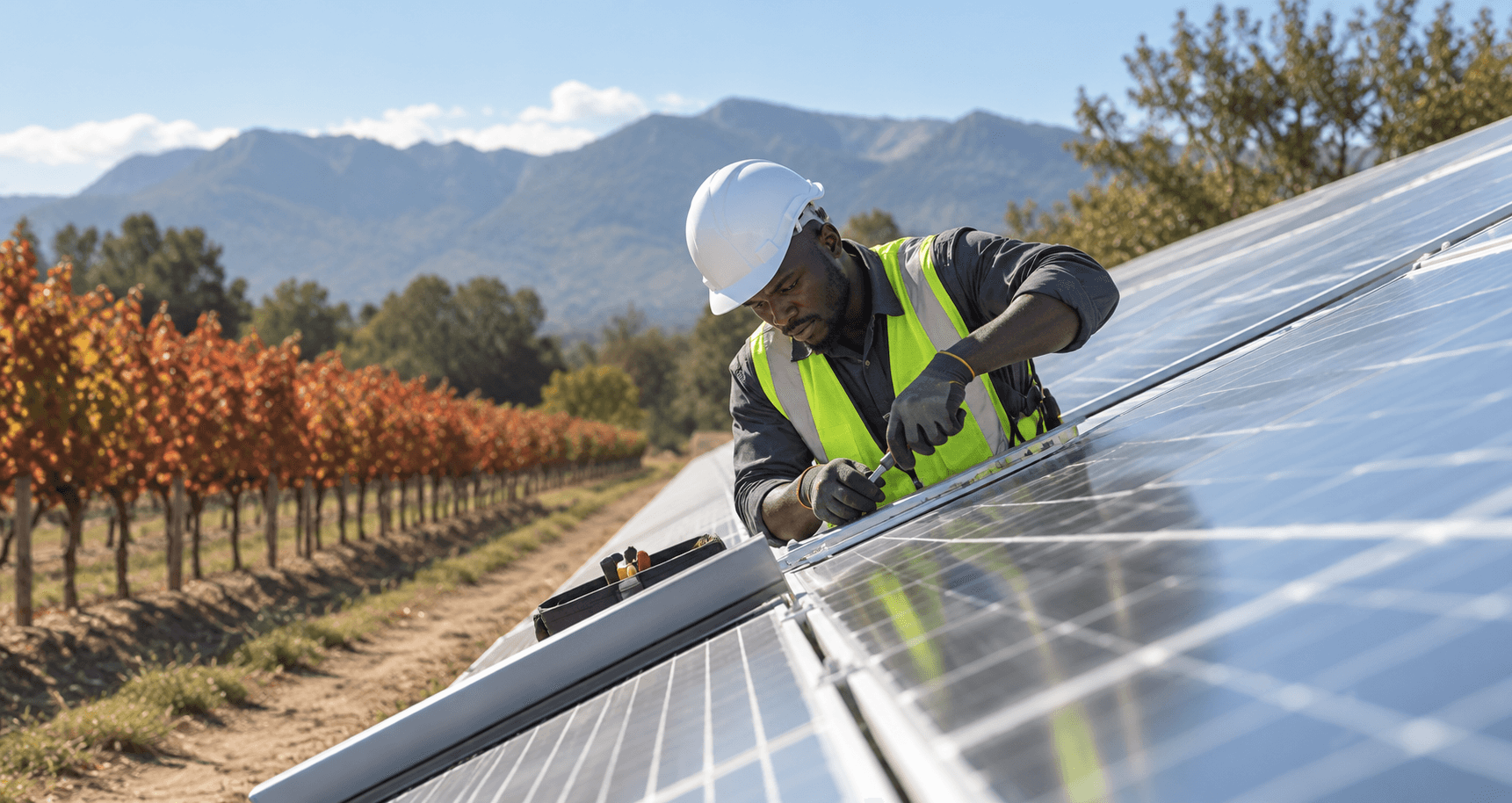
Zhekou Investment Limited는 케냐 기반의 태양광 EPC(설계, 조달 및 건설) 통합업체로, 상업 및 산업(C&I) 고객에 중점을 두고 있습니다. 이 회사는 턴키 태양광 솔루션과 하이브리드 태양광 및 배터리 에너지 저장 시스템(PV + BESS)을 제공합니다. 현장 평가, 부하 프로파일링 및 엔지니어링 설계부터 수량 명세서 준비, 조달 조정, 프로젝트 관리, 시운전 및 보증 지원에 이르는 전체 배송 주기를 관리합니다. 물리적 설치 및 규제된 전기 작업은 에너지 및 석유 규제 당국(EPRA)의 허가를 받은 하도급업체가 수행하며, Zhekou는 품질, 일정 준수, 건강 및 안전 규정 준수, 설치 후 서비스에 대한 계약적 책임을 유지합니다.
- 자산 경량 운영 모델: 핵심 엔지니어링, 조달 조정 및 프로젝트 거버넌스는 내부적으로 유지되며, 설치 역량은 파트너를 통해 확장됩니다.
- 지리적 범위: 운영은 케냐의 주요 상업 허브인 나이로비, 몸바사, 나쿠루, 키수무에 집중되어 있습니다.
리더십 및 관리
회사는 창립자가 이끌고 있습니다. 주식 자본의 100%를 소유하고 있는 최고경영자 Celine Adhiambo Okelo는 엔지니어링 배경과 케냐 태양광 EPC 분야에서의 경험을 가지고 있습니다. 그녀의 관리 접근 방식은 설계 무결성, 규율 있는 조달, 그리고 엄격한 현장 실행 통제를 납품 신뢰성 및 위험 통제의 지렛대로 강조합니다.
의사 결정은 현재 한 명의 임원에게 집중되어 있으며, 이는 전략적 일관성을 지원하면서 승계 계획의 중요성을 부각시킵니다.
영업 및 고객 확보
Zhekou는 기술 자격, 관계 중심의 outreach 및 분야 집중을 통해 고객과 직접 소통합니다. 이 사업은 세 가지 B2B 고객 세그먼트를 대상으로 하며, 부하 분석 및 현장 조건을 기반으로 제안을 맞춤화합니다.
- 중소기업 / 소매: 현장 에너지 비용 절감을 추구하는 소규모 상업 기업 및 소매업체.
- 상업 및 기관: 신뢰할 수 있는 주간 전력을 필요로 하는 사무실, 학교 및 기관.
- 산업 및 대규모 상업: 높은 에너지 부하 및 신뢰성 요구를 가진 제조업체 및 대규모 상업 사용자.
일반적인 프로젝트 규모는 30kW에서 100kW 사이이며, 선별적으로 더 큰 프로젝트를 수행합니다. 고객 확보는 직접적인 관계, 반복적인 계약, 그리고 설치된 고객 기반으로부터의 추천에 의존합니다.
제품 및 서비스 포트폴리오
이 회사는 JA Solar, LONGi, JinkoSolar, Trina와 같은 모듈 제조업체; Huawei, SMA, Fronius, Growatt, Victron과 같은 인버터 제조업체; CATL 및 Gotion과 같은 배터리 시스템 제조업체의 최고급 부품을 사용하여 계통연계형 태양광 시스템 및 하이브리드 PV + BESS 솔루션을 설계하고 제공합니다. 서비스는 현장 조사, 부하 프로파일링, 엔지니어링 및 설계, 수량 명세서 준비, 예산 및 일정 개발, 조달 조정, 현장 프로젝트 관리, 시운전, 보증 및 보증 후 지원을 포함합니다.
- 계통연계형 PV 시스템: 현장 태양광 발전을 통해 주간 전력 소비를 상쇄하도록 설계되었습니다.
- 하이브리드 PV + BESS 시스템: 신뢰성과 부하 관리를 제공하는 통합 태양광 및 배터리 저장 솔루션입니다.
- 턴키 배송: 현장 평가부터 시운전 및 보증까지 전체 주기 프로젝트 관리.
주요 고객 및 시장 사례
완료된 설치 사례들은 다양한 C&I 애플리케이션 분야에서의 전문성을 보여줍니다. 산업별 고객 기반은 다음과 같습니다:
- 플라스틱 및 폴리머 제품 제조 – 고객 A 및 D (나이로비의 포장 생산 포함).
- 음료 및 과일 가공 – 고객 B.
- 제분 및 농산물 가공 – 고객 C.
요약
Zhekou는 엔지니어링, 조달 조정, 납품 거버넌스 및 보증 의무에 대한 계약적 책임을 지는 명확한 EPC 통합업체 역할을 고정 간접비를 제한하고 EPRA 면허를 가진 하청업체를 통해 설치를 확장하는 자산 경량 구조와 결합합니다. 4개 상업 허브 및 3개 B2B 부문에서의 운영은 최고 수준의 모듈, 인버터 및 배터리 제조업체를 포괄하는 공급 관계와 함께 단일 시장 또는 공급업체에 대한 의존도를 줄입니다. 주요 제약은 집중과 관련됩니다: 전략 및 운영 통제는 CEO에게 있으며, 설치 품질 및 일정 성과는 외부 파트너에 의존하는 반면 고객 책임은 회사에 남아 있으며, 프로젝트 마진은 장비 가격, 물류 가변성 및 통화 변동에 민감합니다.
대출 담보
본 시설은 기존 고정 자산, 신규 취득 프로젝트 장비, 계약 기반 현금 흐름으로부터의 동적 담보 조합으로 담보됩니다. 청산 가치를 추정하기 위해 물리적 자산에 보수적인 30% 할인이 적용됩니다. 이 다단계 구조는 대출 원금을 전액 보장하고 대출 기관의 입장을 보호하기 위해 설계되었습니다.
기존 고정 자산 담보
회사가 이미 소유한 자산이 담보로 제공됩니다. 장부 가치와 할인된 가치는 아래에 제시되어 있습니다.
자산 분류 | 가치 (EUR) |
차량 | 90,130 |
설치 및 테스트 장비 | 85,000 |
IT 장비 | 35,000 |
창고 장비 | 30,000 |
사무실 가구 및 비품 | 20,000 |
총 기존 운영 자산 (PPE) | 260,130 |
할인 가치 (–30%) | 182,091 |
자금 조달 장비 담보
네 가지 프로젝트를 위해 취득한 장비 또한 담보로 제공됩니다. 이 담보는 고객 선급금으로 자금 조달된 부분(78,754 EUR)을 포함하여 총 787,540 EUR 상당의 전체 장비 패키지를 포괄하며, 장비 소유권은 최종 정산 시까지 회사에 남아 있습니다. 구매 가치 및 할인 가치는 아래에 표시되어 있습니다.
담보 구성 요소 | 구매 가치 (EUR) | 할인 가치 (–30%) (EUR) |
네 가지 EPC 계약 하의 프로젝트 장비 | 787,540 | 551,278 |
총 할인된 신규 장비 | — | 551,278 |
EPC 계약에 따라 프로젝트 장비의 소유권은 최종 정산 시에만 고객에게 이전됩니다. 최종 결제가 완료될 때까지 장비는 회사 소유로 남아 있으며, 약속된 담보의 일부를 구성합니다. 프로젝트가 완료됨에 따라 담보 계층은 해제되지 않고, 부채 상환의 주요 원천이 되는 고객의 입금액으로 대체됩니다.
동적 보안 및 담보율
물리적 자산 외에도 체결된 계약에서 발생하는 현금 흐름이 동적 담보를 제공합니다. 네 가지 프로젝트의 총 가치는 1,463,194 EUR로, 총 상환 의무(원금 및 이자) 858,666.67 EUR를 초과합니다.
담보로 제공된 자산(기존 PPE 및 프로젝트 장비)의 총 할인 가치는 733,369 EUR이며, 이는 약 104.8%의 담보 대비 대출 비율(LTV 0.95)을 나타내어 보수적인 가치 평가 가정 하에 대출 원금을 전액 확보합니다.
결론
담보 패키지는 차량, 설치 및 테스트 장비, IT 및 창고 장비, 사무용 가구 및 비품, 그리고 새로 취득한 PV 및 BESS 장비를 결합합니다. 이들 자산은 활발한 중고 시장을 가지고 있으며 안정적인 재판매 가치를 유지합니다. 총 상환 의무를 초과하는 계약 기반의 현금 흐름과 결합되어, 담보 구조는 대출 기관에 유동성 보장을 제공하며, 자산 범주 전반에 걸친 담보의 다각화는 시설에 대한 긍정적인 위험 평가를 지원합니다.
Zhekou Investment Limited 설립 연도:2018년 9월 3일
영업 및 생산 시작 일자2018년 10월 1일
최소 목표 금액17,500 USDC
참여자2
이자 지급매월 지급
원금 상환만기 일시 상환(Bullet)
총 지급액11 개월
리스크 평가
종합 리스크 점수BBB
부채 비율 (D/E Ratio)2.12
LTV (담보 인정 비율)95%
신용 이력8 / 10
담보 유형회사 장비
Rating BBB (the fourth tier) reflects a profitable, growing business with thin margins. Revenue has risen every year since 2023, every profitability line is positive, and no interest expense was recorded in 2023–2025.
- D/E (Debt-to-equity) of 2.12 is moderate;
- LTV of 95% means pledged assets, after a 30% discount, cover ~104.8% of the €700k facility;
- Credit history score of 8/10.
Keep in mind:
- net margins of ~4% leave a limited buffer against equipment prices, logistics costs and currency moves;
- strategic and operational control sits with one founder-CEO;
- installation quality depends on subcontractors while client accountability stays with the company;
- cash inflows depend on milestone acceptance dates.
재무
Revenue 2025€3.13M
Net profit 2025€132,392
Gross margin 202514.3%
Signed contracts€1.46M
€ (백만)
€2.32M2.32
€2.85M2.85
€3.13M3.13
€3.49M*3.49*
€4.03M*4.03*
2023202420252026F2027F
* 2026–2027 are management forecasts; 2026 includes January–August actuals and interest on this facility from September

Zhekou’s growth plan does not rely on new markets. It is based on larger projects and a higher share of hybrid PV + BESS systems, backed by four signed contracts worth €1.46M.
Steady revenue growth
- Revenue rose from €2,316,495 in 2023 to €2,846,159 in 2024 (+22.9%) and €3,129,593 in 2025 (+10.0%).
- Management forecasts €3,488,271 in 2026 and €4,026,805 in 2027.
Consistent profitability
- Net profit grew from €91,869 in 2023 to €132,392 in 2025.
- Gross margin is forecast to rise from 14.3% in 2025 to 17.8% in 2027 as the mix shifts to hybrid systems.
- 2026 is a transition year: net profit dips to €123,992 as interest starts in September.
Cost efficiency
- Operating expenses grew more slowly than revenue, improving operating leverage.
- Installation is scaled through partners, keeping fixed overhead low.
Market
Installed solar capacity in Africa grew from approximately 13.5 GW at the end of 2023 to 23.4 GW by the end of 2025. Kenya has 442.9 MW installed, more than half of it captive self-consumption PV, and open-access rules introduced in 2024 support corporate PPAs. High grid tariffs and unreliable supply push C&I users toward hybrid PV + BESS.
담보 구성
Project equipment under 4 EPC contracts · €787.5K
Project equipment under 4 EPC contracts€787,540
Vehicles€90,130
Installation and testing equipment€85,000
IT equipment€35,000
Warehouse equipment€30,000
Office furniture and fixtures€20,000
총 담보액€1,047,670Book and purchase values; €733,369 after a 30% discount, plus four signed contracts worth €1.46M.
The €700k facility is secured in three layers.
1. Existing fixed assets — €260,130
- Vehicles, installation and testing equipment, IT and warehouse equipment, office fixtures.
- €182,091 after the 30% discount.
2. Project equipment — €787,540
- PV modules, inverters and batteries bought for the four contracts.
- Title passes to the client only on final settlement, so until then the equipment stays in the pledge.
- €551,278 after the 30% discount.
3. Signed contracts — €1.46M
- Client payments are the primary source of repayment and replace the equipment layer as projects complete.
- They exceed the total repayment obligation of €858,666.67.
After the discount, pledged assets are worth €733,369 — ~104.8% of the loan principal.
대출 상환 방식
USDC 투자는 11개월 채권처럼 작동합니다: 매월 이자가 지급되고 개월 차에 원금이 돌아옵니다.
| 일자 | 이자 수익 | 원금 | 총합 |
|---|
순이익+ USDC
총 수익 USDC
차입자 정보
Zhekou Investment LimitedNairobi, 케냐 · 2018년 설립
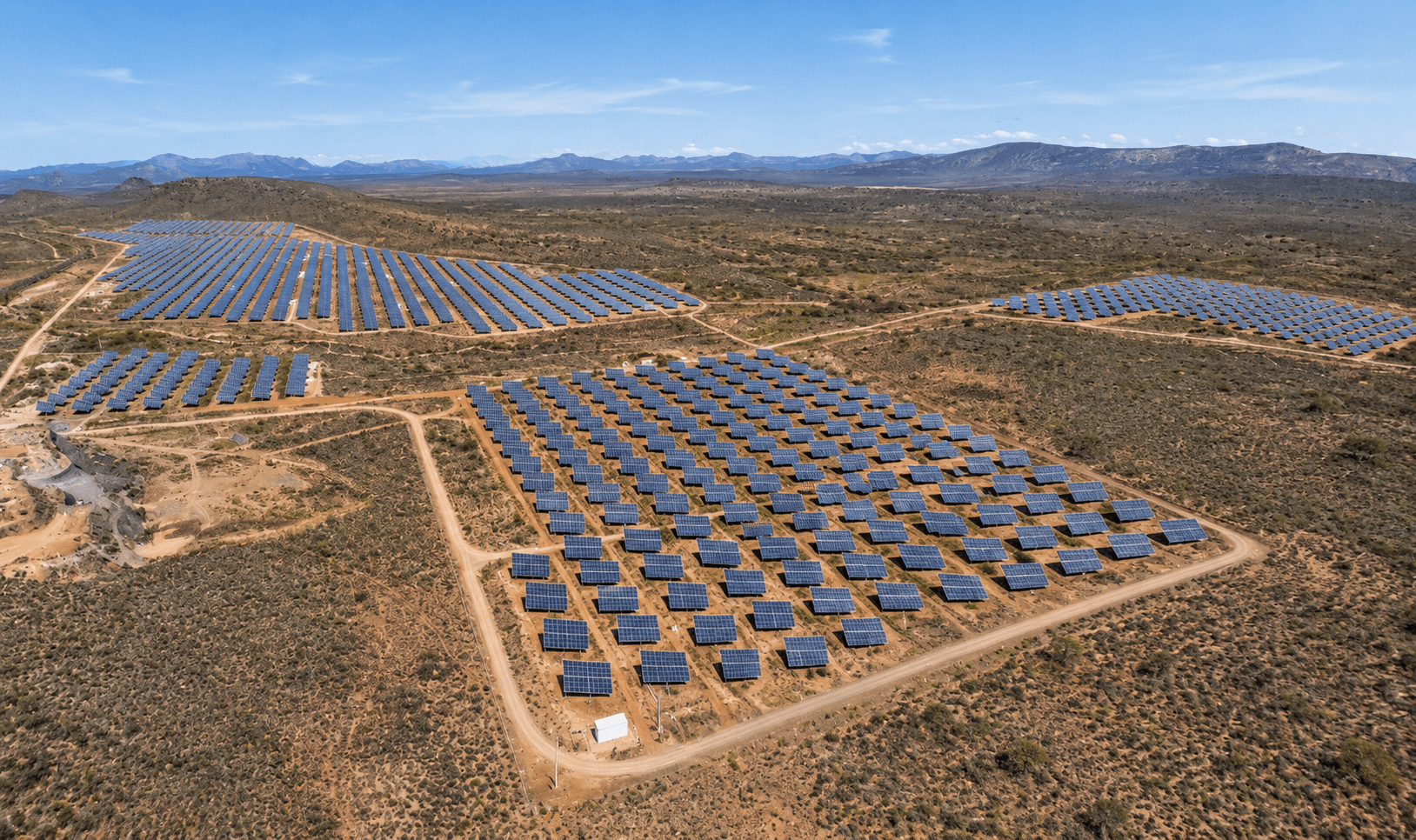
Zhekou Investment Limited는 케냐에 본사를 둔 태양광 EPC(엔지니어링, 조달 및 건설) 통합업체로, 상업 및 산업(C&I) 고객에 중점을 둡니다. 이 회사는 턴키 태양광 솔루션과 하이브리드 태양광 및 배터리 에너지 저장 시스템(PV + BESS)을 제공합니다. 현장 평가, 부하 프로파일링 및 엔지니어링 설계부터 물량 명세서 준비, 조달 조정, 프로젝트 관리, 시운전 및 보증 지원에 이르기까지 전체 납품 주기를 관리합니다. 물리적 설치 및 규제된 전기 작업은 에너지 및 석유 규제 당국(EPRA)의 허가를 받은 하도급업체가 수행하며, Zhekou는 품질, 일정 준수, 건강 및 안전 규정 준수, 설치 후 서비스에 대한 계약상의 책임을 유지합니다.
사업자 등록 번호: PVT-3QUG6G7zhekouenergy.com