

Mango Wholesale
18,863USDC
Repaid
99.28% of 19,000 USDC
- Funded date03.06.2025
- Repaid date29.01.2026
- Loan period8 months
- Lending APR23.30 %
Repayment schedule
Max target
19,000 USDC
Min target
9,500 USDC
Investors
16
Interest payments
8 months
Principal repayments
bullet
Total payments
monthly
About
Founded in 2019 and based in Kenya, the company specializes in producing industrial-grade mango puree for B2B customers, including food manufacturers and exporters. Mangoes are primarily sourced from local farmers, with supplemental supply during off-season months via regional distributors. The company does not engage in direct retail, instead selling processed puree in bulk quantities.
It operates a vertically integrated facility covering washing, pulping, pasteurization, and cold storage, which supports year-round inventory and sales despite seasonal sourcing. Between 2021 and 2024, the company scaled its mango procurement from 681,200 kg to 851,000 kg, with forecasts reaching 1,951,200 kg by 2026. This reflects steady investment in infrastructure and increasing operational throughput.
The business is led by Lincoln Kabala Agaromba, an experienced agribusiness manager with a degree in agricultural sciences. His management style is cautious and reinvestment-driven, focused on scaling production and maintaining lean operations.
Strengths
- Local sourcing model reduces procurement costs and supports community-based agriculture.
- Vertically integrated processing minimizes dependency on third-party service providers.
- Demonstrated growth in procurement, yield, and net profit across the 2021–2024 period.
- Early reinvestment in infrastructure (e.g., pasteurizer, forklift, factory expansion) signals long-term operational planning.
- Dual-market approach (local and export) reduces concentration risk in client base.
Weaknesses
- Founder-led structure without a visible management team increases dependence on a single decision-maker.
- Low capitalization during initial years limited profitability despite operational growth.
- Strong seasonality of mango supply introduces operational and cash flow risks.
- Marketing, branding, and business development functions appear underdeveloped.
Conclusion
The company demonstrates consistent operational maturity in a high-friction agribusiness segment. Its steady expansion in processing capacity and reinvestment into production assets reflects a cautious but structured approach to growth. While the company is operationally stable and increasingly profitable, its long-term resilience will depend on diversification of its leadership structure, quality certification for export scaling, and more formalized financial planning. The business has potential but remains exposed to risks typical of founder-led, capital-constrained food processors in developing markets.
Financial Performance
The company demonstrated stable and improving financial results between 2021 and 2024, driven by operational scale-up, tight cost control, and growing demand. It transitioned from near break-even in 2021–2022 to solid profitability in 2023–2024. Forecasts for 2025–2026 reflect a sharp increase in revenue and net profit as processing capacity expands and yield improves.
Financial Performance Summary (2021–2026)
Revenue in 2023 - €444,756.29
Gross profit in 2023 - €93,233.35
Net profit in 2023 - €7,270.29
Revenue in 2024 - €500,668.48
Gross profit in 2024 - €106,833.60
Net profit in 2024 - €41,632.10
Revenue in 2025 - €649,639.78
Gross profit in 2025 - €185,662.20
Net profit in 2025 - €95,810.83
CAPEX Allocation (2021–2023)
- 2021: €30,651.86 – Toyota Coaster; €10,217.29 – Pasteurizer
- 2022: €20,434.58 – Cold storage; €12,941.90 – Forklift
- 2023: €6,130.37 – Ripening warehouse upgrade; €23,840.34 – Factory expansion; €6,470.95 – Destoner/pulper
Key Financial Insights
- Revenue acceleration: From +8.0% in 2022 to +72.3% projected in 2026.
- Profitability surge: Net profit grows from €524.90 (2021) to €266,253.89 (2026).
- Cost control: OPEX growth minimal despite scale-up.
- Reinvestment discipline: CAPEX in 2021–2023 built strong base.
- Debt-free operations: No financial liabilities.
Cost Structure Overview
Raw mango procurement is the largest cost, followed by labor and utilities. Second-hand equipment helps contain CAPEX but limits automation.
Conclusion
The company has transitioned into a profitable and scalable agribusiness. Its financial profile is healthy, though future growth depends on further investment in automation and yield optimization. A defined CAPEX roadmap and risk mitigation strategy would enhance long-term financial resilience.
Risk scoring
- CollateralCompany Assets
- Total risk scoreBBB
- Debt to equity0.58
- LTV66 %
- Credit history8/10
Details
Growth Plan of Hillah Investments Limited
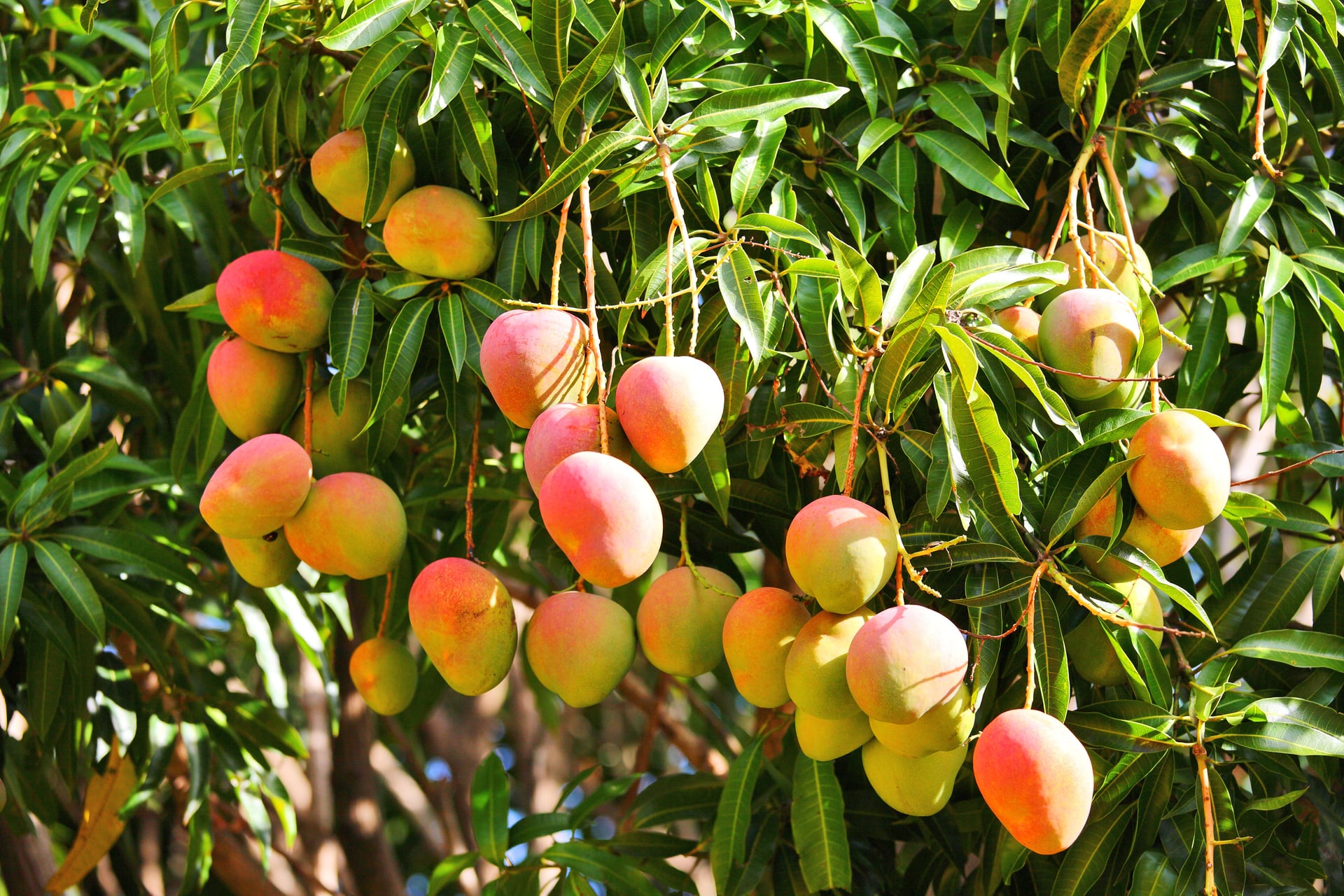
The company aims to scale its operations by launching a fully automated production line, increasing its annual capacity to 4,000 tons (and up to 7,000 tons with minor upgrades). This strategic investment will also improve yield efficiency from 50% to 60%, enhancing margins and production effectiveness.
Growth is supported by existing demand and reinforced through volume increase agreements signed in March 2025 with four long-term clients: Jetlak Foods Limited, Strobails LLC, Rovinal SRL, and Wosana S.A. These agreements collectively cover ~430 tons of mango puree per year, valued at approximately €577,297.19, excluding future price adjustments.
To execute this plan, the company will invest €300,310.00 in modern processing equipment and facility upgrades. The capital expenditure includes filtration systems, washing units, a pasteurizer, automation lines, and infrastructure adaptation. This upgrade marks a transition from semi-manual to industrial-scale processing.
Production Forecast
2021 - 306,540 kg
2022 - 329,670 kg
2023 - 343,350 kg
2024 - 382,950 kg
2025 - 498,789 kg
2026 - 878,040 kg
Forecasts are based on confirmed sales agreements; factory capacity exceeds projected volumes.
Strengths of the Growth Plan
- Secured long-term contracts with increased volumes.
- Automation improves scalability and reduces labor dependence.
- Yield increase (50% → 60%) enhances cost-efficiency.
Weaknesses and Risks
- High initial capital outlay.
- Integration and commissioning risk for new equipment.
- Dependence on stable raw mango supply and pricing.
Conclusion
The company’s growth plan is rooted in contractual demand and operational upgrades that directly target production bottlenecks. Upon implementation, the business will gain the infrastructure needed to scale, improve margins, and serve expanding domestic and export markets.
Description of the Loan
The company is requesting a loan of €300,000 to fund its factory modernization and automation strategy. The loan is divided into two equal tranches of €150,000, disbursed over the first two months. The loan carries an annual interest rate of 18% and a repayment period of 16 months per tranche, with interest paid monthly and principal repaid at maturity.
Loan Disbursement and Allocation
Funds from the first tranche will cover the purchase of essential processing equipment:
- Filtration system with tanks – €27,960.00
- Soft Fruit Feeding with Convoyer – €13,600.00
- Bubble washer – €21,600.00
- Brush Washing Machine – €10,400.00
- Drying Machine – €7,750.00
- Peeling Machine – €45,600.00
- Pulp Making Machine – €26,200.00
Total: €153,110.00
The second tranche will finance the remaining equipment and facility adaptation:
- Pasteurization Machine – €45,500.00
- Buffer Tank – €6,200.00
- Liquid Filling Machine – €25,000.00
- Automatic Sailing Machine – €15,500.00
- Automatic SIP Cleaning System – €17,000.00
- Steam generators and pumps – €12,000.00
- Installation – €12,500.00
- Facility adaptation – €13,500.00
Total: €147,200.00
Strategic Importance
The loan will support the installation of a fully automated production line capable of 4,000 tons/year, expandable to 7,000 tons/year. It will also increase product yield from 50% to 60%. These upgrades are anchored in long-term volume agreements with key clients totaling 430 tons annually.
Risk Mitigation
- Implementation delays mitigated by penalty-enforced supplier contracts.
- Market volatility managed via a diversified local and export client base.
- Cash flow strain addressed through secured purchase contracts ensuring consistent revenue.
Conclusion
The structured loan is a key enabler for scaling and efficiency gains. Backed by secured demand and a clear implementation plan, the €300,000 loan is critical for the company’s next phase of growth.
Loan Collateral
To secure the requested loan of €300,000, the company offers a strong collateral package consisting of fixed assets, production machinery, and a personal guarantee from the director. The combined value of pledged assets exceeds 100% of the loan principal, ensuring comprehensive risk coverage for the lender.
Fixed and Operational Assets (Total: €155,100.00):
Production building - (250 m2) 55 000 eur
Storage barn - (100 m2) 12 000 eur
Cold storage equipment 12 500 eur
Equipment Petrol forklift 9 000 eur
Vehicle Toyota Coaster (2014) 23 500 eur
Equipment Destoner / Pulper 3 pcs. 12 000 eur
Equipment Washing machine 2 pcs. 7 900 eur
Equipment Pasteurizer 2 pcs, 16 000 eur
Equipment Packing Machine 7 200 eur
Personal Guarantee:
Toyota Harrier (2018) – €25,000.00 (Estimated resale value)
Key facts
- Hillah Investments Limited was foundedOct 25, 2019
- Start of active work/productionOct 25, 2019
Borrower info
Hillah Investments Limited
Founded in 2019 and based in Kenya, the company specializes in producing industrial-grade mango puree for B2B customers, including food manufacturers and exporters. Mangoes are primarily sourced from local farmers, with supplemental supply during off-season months via regional distributors. The company does not engage in direct retail, instead selling processed puree in bulk quantities.
It operates a vertically integrated facility covering washing, pulping, pasteurization, and cold storage, which supports year-round inventory and sales despite seasonal sourcing. Between 2021 and 2024, the company scaled its mango procurement from 681,200 kg to 851,000 kg, with forecasts reaching 1,951,200 kg by 2026. This reflects steady investment in infrastructure and increasing operational throughput.
Market description & size
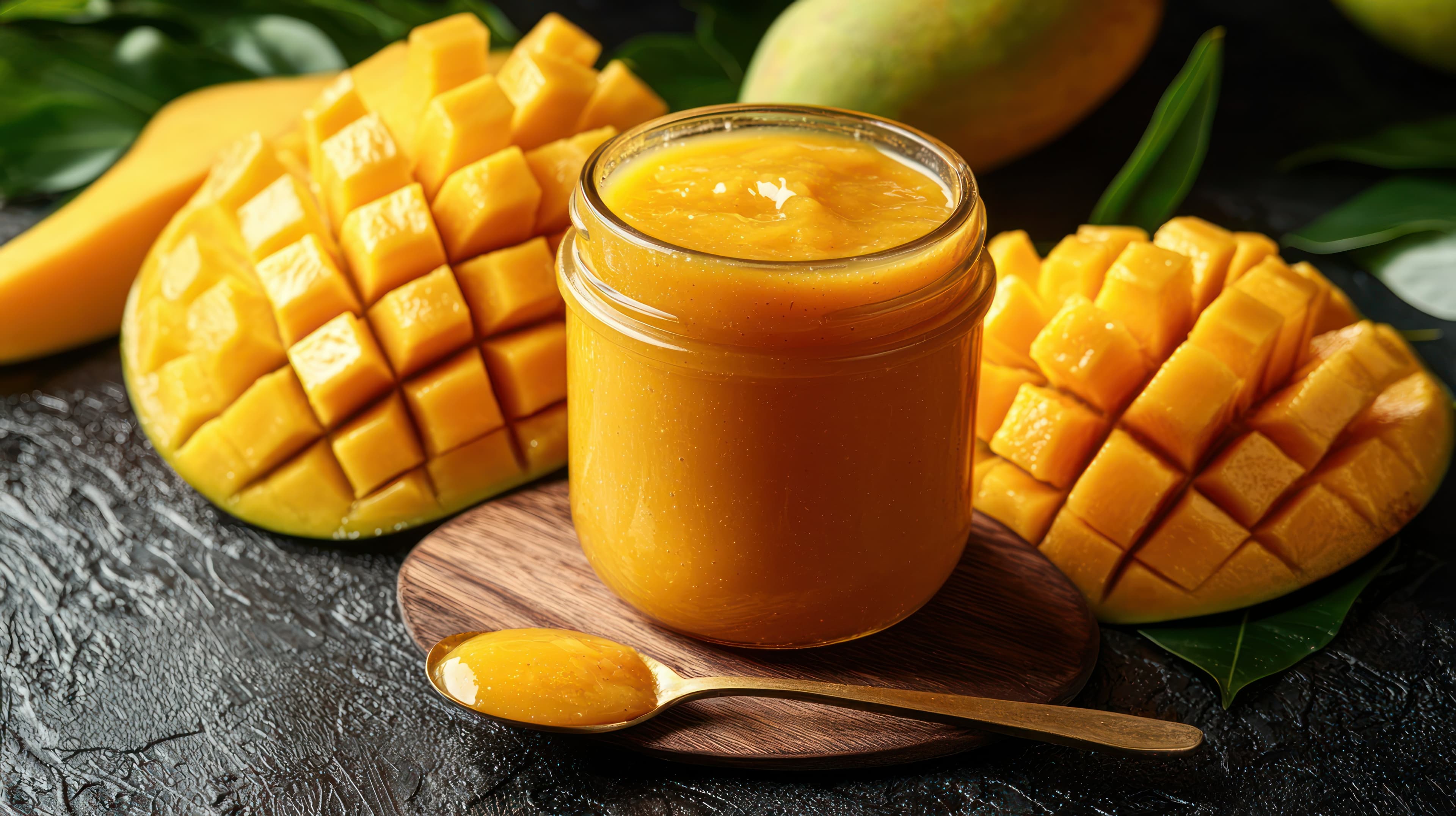
The global mango market was valued at $56 billion in 2023, with expected growth to $72 billion by 2029 (CAGR 4.2–5.0%). Mango puree represents a growing subsegment, estimated at $1.5 billion in 2023 and projected to reach $2.8 billion by 2033 (CAGR 6.3%). Growth is fueled by health trends, plant-based diets, and rising demand across beverage, baby food, and bakery sectors.
In Europe, the mango market exceeds €1.9 billion, with mango puree representing an estimated €280–€320 million. Demand is concentrated in Germany, the UK, and the Netherlands, driven by the popularity of exotic fruit products and clean-label preferences.
Kenya’s mango market was valued at $946 million in 2024. While exports are growing, challenges remain around infrastructure and climate-related risks.
The company supplies mango puree to both local and European buyers, including Jetlak Foods, Strobails LLC, Rovinal SRL, and Wosana S.A., offering a diversified client base and recurring contracts.
Strengths
- Favorable global demand trends for mango products and ingredients.
- Strategic production base in Kenya with growing output.
- Strong relationships with B2B buyers in Kenya and Europe.
Weaknesses
- Climatic volatility and post-harvest losses.
- Limited processing infrastructure.
- Market concentration in a few export regions.
Conclusion
The company operates within a rapidly growing market for mango puree, both globally and in Europe. Strategic investments in processing and export capacity will allow it to capitalize on expanding demand and reinforce its competitive position.